
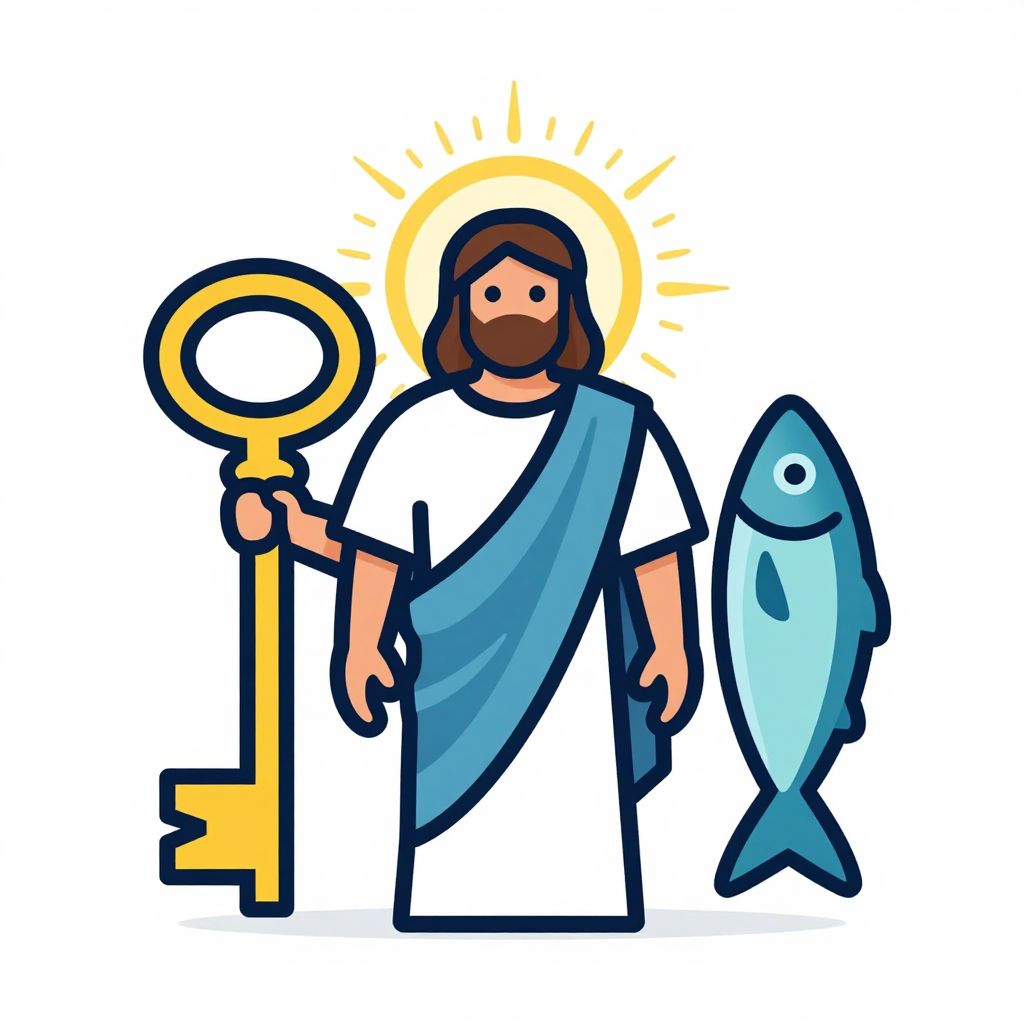
Have you ever wondered about the individuals who shaped the early church? Especially those who seemed to have more than one name? Cephas is one such figure whose life and identity weave directly into the fabric of Christian history. This exploration goes beyond just a name; it opens doors to deep spiritual truths about leadership, faith, and transformation.
Cephas, also known as Peter, stands out in the New Testament, embodying both humanity and divinity. His journey illustrates the extraordinary ways one can encounter Christ and the profound impact that faith can have on an individual’s life. By examining the life of Cephas, we discover valuable insights into what it means to truly follow Christ.
Who Is Cephas In The Bible?
Cephas, commonly agreed to be the apostle Peter, is a pivotal figure in the New Testament. The name “Cephas” comes from the Aramaic word for “rock.” Jesus gave him this name, indicating a foundational role in the early church. His story reveals themes of transformation, faith, and the challenges of being a disciple.
The Name and Its Significance
Cephas means “rock.” This name change by Jesus (John 1:42) signifies Peter’s importance in establishing the church. In Hebrew, “rock” (or “kefa”) represents stability and strength, indicating Peter’s future role as a leader. This name connects him with Jesus—highlighting that even the most imperfect individuals can become foundational leaders in God’s kingdom.
Peter’s Journey with Jesus
Cephas’s journey began when he was called as a fisherman on the Sea of Galilee (Matthew 4:18-20). Jesus recruited him and his brother Andrew to become “fishers of men.” This transformation from a fisherman to a cornerstone of the church reflects God’s way of working through ordinary people.
- His confession of Christ (Matthew 16:15-17): Peter declares that Jesus is the Messiah, receiving divine affirmation of revelation from God.
- Walking on water (Matthew 14:29): A moment of boldness and faith, although it also reveals Peter’s doubts and need for Jesus’ support.
- Denial of Christ (Luke 22:54-62): In a moment of fear, Peter denies knowing Jesus three times, showcasing human fragility.
- Restoration after denial (John 21:15-17): Jesus reinstates Peter, asking him to “feed His sheep,” showing the grace and purpose despite failure.
Peter’s Role in the Early Church
After Jesus’ ascension, Cephas became a central figure in the early church. His leadership exemplified strength, resilience, and a commitment to preaching the Gospel despite persecution. His role was crucial in bridging the gap between Jewish and Gentile believers.
The Day of Pentecost
On the Day of Pentecost, Peter preached boldly to the gathered crowds (Acts 2:14-36). His sermon led to the conversion of about three thousand souls, marking a defining moment in the church’s history. This event demonstrated the power of the Holy Spirit working through him, showcasing his transformation into a fearless leader.
The Leadership Qualities of Cephas
Peter exhibited several key leadership qualities that are instructive for today’s Christians:
- Boldness: He spoke with confidence, even in the face of opposition.
- Humility: Despite his position, Peter displayed humility in recognizing his shortcomings.
- Faithfulness: Peter remained devoted to Christ, even after his failures.
Engaging with Gentiles
Cephas played a pivotal role in the acceptance of Gentiles into the Christian faith. In Acts 10, Peter receives a vision clarifying that the Gospel is for all people, breaking down ethnic barriers. His willingness to embrace Gentile believers opens the door for the church’s expansion beyond Judaism.
The Letters of Peter
Cephas is also known for the two letters in the New Testament attributed to him—1 Peter and 2 Peter. These letters provide encouragement and teaching for Christians facing persecution.
Main Themes in Peter’s Letters
- Suffering and Hope: Peter encourages believers to endure suffering, reminding them of their future hope (1 Peter 1:3-5).
- Faith in Action: He emphasizes living out one’s faith through conduct aligned with Christian values (1 Peter 1:14-16).
- Guarding Against False Teachers: Peter warns against false teachings and urges believers to grow in their knowledge of Christ (2 Peter 2).
Practical Takeaways from Peter’s Letters
- Persevere through trials—learn to view hardships as ways to grow in faith.
- Engage in good works—faith is active and should be demonstrated in one’s life.
- Seek knowledge of Scripture—knowing God’s Word is essential in discerning truth from deception.
Cephas in Church Tradition
Cephas’s legacy extends beyond Scripture; church tradition holds him as the first bishop of Rome, reinforcing his foundational role in the Christian faith. An awareness of early church history can deepen appreciation for his contribution to Christianity and the development of the church.
Common Misunderstandings
Some may confuse Cephas with Paul, the apostle who had his own significant, yet different, role in the church. While both played crucial parts in the early church, their missions and methods differed. Understanding Cephas helps clarify these differences.
Spiritual Implications of His Life
Cephas’s life invites believers to reflect on their own journeys. It prompts a reminder that God transforms lives, regardless of past failures. Each believer can find hope in Peter’s story, illustrating that growth often comes through our mistakes.
The Personal Invitation of Cephas’s Example
What can believers learn from Cephas today? His story encourages individuals to step out of their comfort zones and embrace God’s calling. It reminds everyone that imperfections do not disqualify them from service in God’s kingdom.
Steps to Emulate Cephas
- Embrace your identity as a child of God.
- Be bold in sharing your faith.
- Seek forgiveness and restoration when you fall short.
- Invest in the lives of others, helping them become more like Christ.
Reflecting on Peter’s Imprint in your Life
Cephas models resilience and authenticity. How does his story inspire you to live out your faith daily? What steps can you take to exhibit these same traits in your life? Engaging with these questions fosters spiritual growth.
Conclusion: The Enduring Legacy of Cephas
Cephas’s journey reveals the transformative power of Christ. His leadership in the early church and profound teachings offer direction and encouragement for believers today. In our lives, may we embody his teachings by continually growing in faith, demonstrating grace, and reaching out to others.
Spiritual growth often reflects in daily actions. Ask yourself: what is one step you can take today to be a better follower of Christ? Remember, you are being knit into something extraordinary, just as Cephas was. His life encourages believers everywhere to trust God through every season of faith.
Explore more faith-based topics and articles to deepen your understanding and connection to God. For instance, you might find insights in Who Is Little James In The Bible or discover the significance of Who Is Jabez In The Bible. These characters, like Cephas, carry rich narratives that continue to inspire and challenge believers in their walk with Christ.