
Have you ever wondered how someone could follow Jesus closely yet betray Him so deeply? This profound betrayal, committed by Judas Iscariot, stirs emotions of disbelief and sadness among believers. Understanding Judas’ actions is crucial to grasping the enormity of Jesus’ sacrifice and the depth of divine forgiveness.
This article explores what Judas did to Jesus, analyzing the betrayal itself, its implications for Christ and the Christian faith, and what it means for us today. Grounding this exploration in Scripture reveals profound truths about human nature, grace, and redemption.
What Did Judas Do To Jesus?
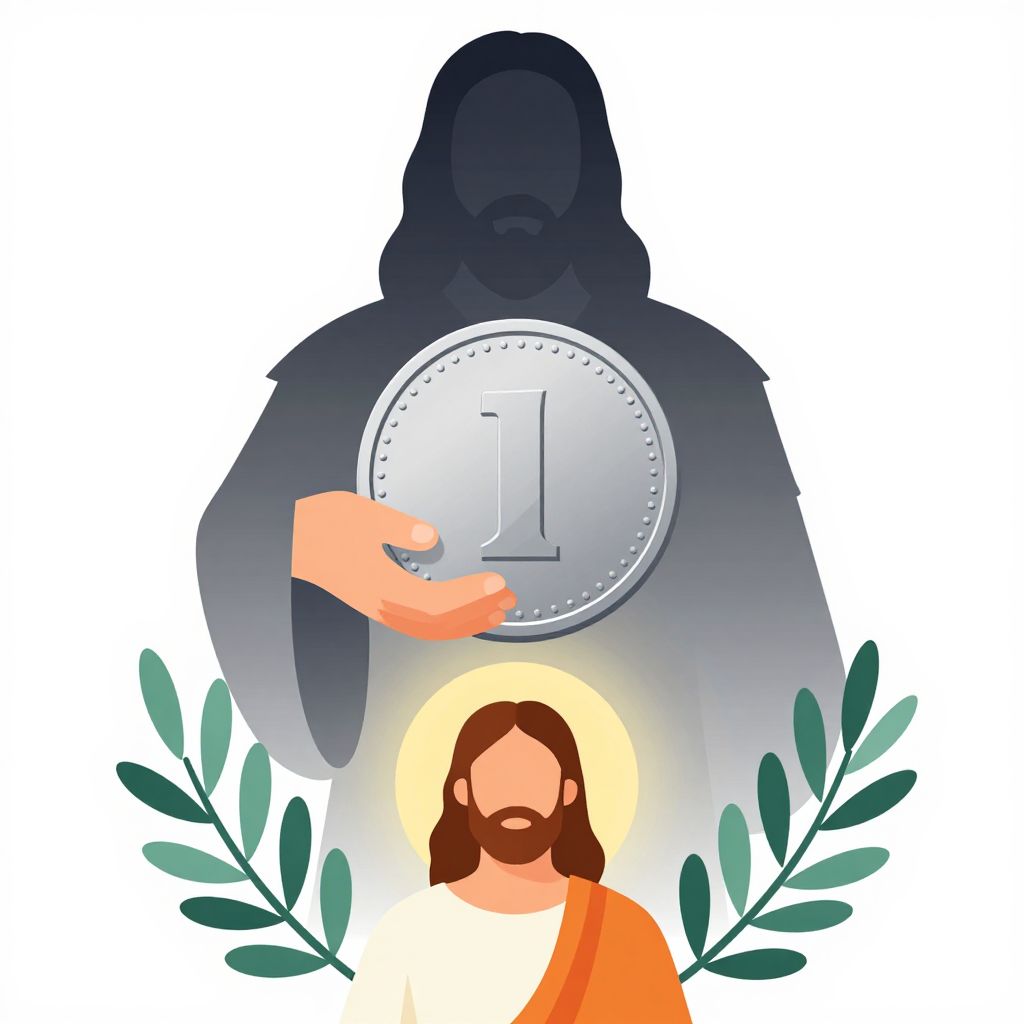
Judas Iscariot betrayed Jesus by agreeing to hand Him over to the religious authorities in exchange for thirty pieces of silver. This act led directly to Jesus’ arrest, crucifixion, and death, marking one of history’s most infamous betrayals.
Judas’ Decision to Betray
Judas Iscariot made his choice to betray Jesus while the disciples shared the Last Supper. The Gospels vividly describe this moment. In Luke 22:3-6 (NIV), it states, “Then Satan entered Judas, called Iscariot, one of the Twelve. And Judas went to the chief priests and the officers of the temple guard and discussed with them how he might betray Jesus.” This exchange reveals two critical points: the spiritual influence over Judas and his willingness to collaborate with those who sought to eliminate Jesus.
The Cost of Betrayal
Judas’ betrayal was not merely an act of personal gain. The thirty pieces of silver he received were reminiscent of the price for a slave (Exodus 21:32). Reflecting on this, one can ask, what price are we willing to pay for deceit or compromise? The betrayal’s monetary value speaks volumes about Judas’ heart and priorities.
The Last Supper
During the Last Supper, Jesus expressed His aware of Judas’ impending betrayal. In Matthew 26:21-23 (NIV), He tells the disciples, “One of you will betray me.” Judas approaches Jesus with a facade of innocence and asks, “Surely you don’t mean me, Rabbi?” Jesus replies, “You have said so.” This exchange highlights the tension of betrayal cloaked in intimacy; the disciples dined with the very man who would hand over their Teacher.
Sealing the Betrayal with a Kiss
Upon arriving at the Garden of Gethsemane, Judas leads a group of soldiers to capture Jesus. He identifies Jesus through a prearranged signal: a kiss. In Matthew 26:48-49 (NIV), it states, “Now the betrayer had arranged a signal with them: ‘The one I kiss is the man; arrest him.’” This action turned a gesture of love into one of treachery. How often do we disguise our intentions with outward appearances?
The Implications of Judas’ Actions
Judas’ betrayal led to Jesus’ suffering and death, but its implications extend beyond that night in Gethsemane. Understanding these implications helps believers grasp the fullness of God’s grace and forgiveness.
Betrayal in the Context of God’s Plan
Jesus’ betrayal was a part of God’s sovereign plan for redemption. Acts 2:23 (NIV) states, “This man was handed over to you by God’s deliberate plan and foreknowledge; and you, with the help of wicked men, put him to death by nailing him to the cross.” This paradox of human betrayal and divine purpose showcases God’s incredible ability to use wrongdoing for good. Reflect on how God has used difficult circumstances in your life to fulfill His plan.
The Nature of Forgiveness
Judas’ act brings forth the profound nature of forgiveness, as expressed in Matthew 26:28 (NIV) during the Last Supper: “This is my blood of the covenant, which is poured out for many for the forgiveness of sins.” Jesus prepares His followers for His sacrifice, emphasizing that even Judas is included in His redemptive plan. This truth speaks to all believers. Are there areas of your life where you need to offer or receive forgiveness?
Judas’ Regret and Despair
After betraying Jesus, Judas realized the weight of his actions. In Matthew 27:3-5 (NIV), he returned the silver, saying, “I have sinned, for I have betrayed innocent blood.” Overwhelmed by guilt, he hanged himself. Judas’ life serves as a reminder of the destructive nature of unrepentant sin. How do we seek forgiveness when feeling remorseful for our actions?
The Lessons for Today
Judas’ betrayal reveals timeless truths about human nature, sin, and grace. These insights encourage believers to examine their own hearts and actions.
The Allure of Temptation
Judas’ story illustrates how temptation can ensnare even those closest to Jesus. James 1:14-15 (NIV) states, “But each person is tempted when they are dragged away by their own evil desire and enticed. Then, after desire has conceived, it gives birth to sin; and sin, when it is full-grown, gives birth to death.” This warning invites self-reflection. Are there areas in your life where temptation is clouding your judgment, leading you astray?
The Importance of Spiritual Vigilance
Jesus urged His disciples to remain watchful, a call that extends to believers today. Matthew 26:41 (NIV) implores, “Watch and pray so that you will not fall into temptation.” Engagement in prayer and awareness of one’s spiritual state protects against the perils of betrayal. How can you cultivate a lifestyle of vigilance in your faith?
Restoration After Betrayal
Following His resurrection, Jesus encountered a restored Peter, who also denied Him. In John 21, Jesus asks Peter three times if he loves Him, symbolizing Peter’s reinstatement. While Judas fell into despair, Peter embraced forgiveness and restored fellowship. Would you seek restoration over remorse?
Conclusion
Judas’ actions toward Jesus reveal the stark realities of betrayal, temptation, and the profound nature of grace. As believers, we are called to reflect on our own hearts and actions, remaining vigilant against betrayal and embracing the forgiveness offered through Christ’s sacrifice.
Prayerfully consider areas in your life where you need to seek God’s mercy and grace. The example of Judas warns against compromising faith for worldly desires, reminding believers that our choices have significant spiritual implications.
Explore more faith-based topics and articles to deepen your understanding. Consider asking, Why did Judas betray Jesus? or learn What did Jesus die for? and its significance in your life.