
Have you ever wondered about the birthplace of Jesus and how it shapes our understanding of His purpose? Determining the continent where He was born not only provides historical context but also deepens our appreciation for God’s plan through Jesus. In this article, we will explore the geographical specifics of Jesus’ birth and offer insight into why it matters deeply to Christian faith.
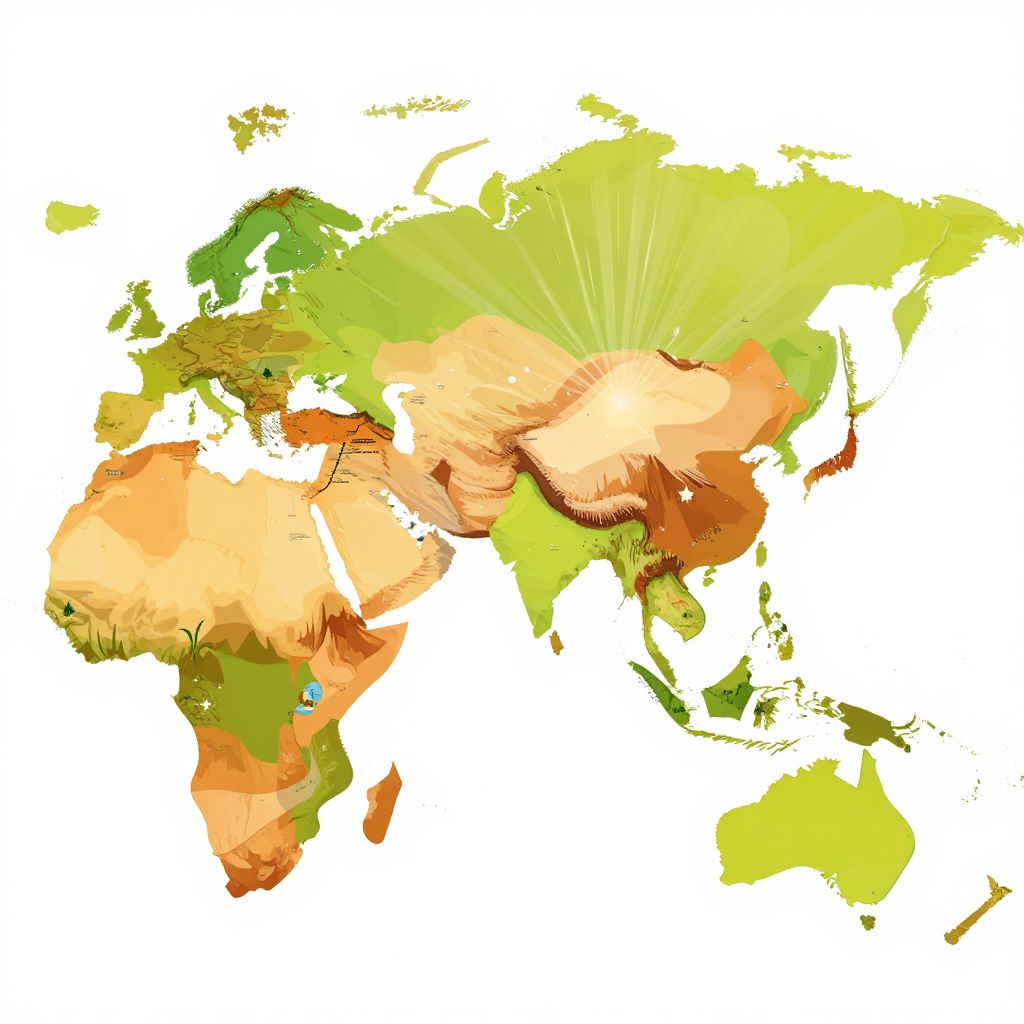
Jesus was born in Bethlehem, a town located in the region of Judea, which is part of present-day Israel. Therefore, the continent Jesus was born on is Asia. Understanding this fundamental truth helps us grasp the broader narrative of Scripture and God’s intricate purpose in sending His Son into our world.
What Continent Was Jesus Born In?
Jesus was born on the continent of Asia. Specifically, He was born in Bethlehem, located within Judea, an area of ancient Palestine that is now part of modern-day Israel. This geographical detail is integral to the story of Jesus and highlights the historical and cultural context of His time.
The Geography of Jesus’ Birth
Jesus’ birthplace, Bethlehem, lies about six miles south of Jerusalem. This region holds a significant place in biblical prophecy. The prophet Micah foretold that the Messiah would be born in Bethlehem (Micah 5:2). The fulfillment of this prophecy in Jesus’ birth reinforces our understanding of God’s faithfulness to His promises.
When we consider the geography of Jesus’ life, we see how it influenced His ministry. Jesus interacted with diverse cultures and communities across Israel, which shaped His teachings and engagements. Understanding where He was born allows us to appreciate these interactions and their significance within the narrative of Scripture.
The Significance of Bethlehem
Why was Bethlehem chosen as the birthplace of Jesus? This small town, often overshadowed by larger cities, signifies that God’s choices often defy human expectations. God delights in using humble beginnings to initiate monumental change. Have you ever felt insignificant in your circumstances? Remember that God uses the small and overlooked to fulfill His grand designs.
A Place of Prophecy and Fulfillment
Bethlehem’s importance lies beyond its geography. It is rich in prophetic meaning. Jesus’ birth in this town fulfills the prophecy found in Micah 5:2, which states, “But you, Bethlehem Ephrathah, though you are small among the clans of Judah, out of you will come for me one who will be ruler over Israel.” This connection reminds us that God’s plans are often realized in unexpected places.
As followers of Christ, we should draw inspiration from the unexpected choices God makes. He takes the ordinary and breathes remarkable significance into it. Does your life feel ordinary? Consider how God might seek to use it for His extraordinary purposes.
Historical Context of Bethlehem
During the time of Jesus, Bethlehem was already a site of great historical and religious significance. It was the birthplace of King David (1 Samuel 16:1). Jesus is often referred to as the “Son of David,” further establishing His identity as the awaited Messiah. The connection between David and Jesus highlights the continuity of God’s redemptive work throughout history.
Jesus’ lineage traces back to David, proving God’s promise to David that his lineage would produce an everlasting kingdom (2 Samuel 7:16). Understanding this historical context enriches our understanding of who Jesus is in relation to God’s unfolding plan through generations.
The Cultural Context of Jesus’ Birth
The cultural backdrop of Jesus’ birth goes beyond Jewish traditions; it encompasses a Roman world infused with various cultural influences. The Roman occupation of Israel at this time brought a blending of political and religious elements, shaping the environment in which Jesus grew up. Why does this matter for us today? Understanding the cultural landscape helps us recognize the relevance of Jesus’ teachings in a complex and changing world.
The Roman Influence
Under Roman rule, many Jewish people experienced oppression and longing for a Messiah who would free them. Jesus’ birth amidst this longing fulfills both a historical and spiritual narrative. He came not only as a king but as a Savior who addresses the deeper needs of humanity — a need for reconciliation with God.
Jesus’ ministry began in this context, where He responded to people’s physical and spiritual needs. He challenged societal norms and pushed back against injustice. How can we learn from Jesus’ response to cultural pressures? We can learn to navigate our lives with grace and Truth, just as He did.
The Implications of Jesus’ Birth in Asia
The geographical location of Jesus’ birth on the Asian continent carries theological weight. Jesus’ arrival impacts us globally, as He came to save all humanity, not just a specific group. Scripture underscores the universal nature of salvation. John 3:16 tells us, “For God so loved the world that he gave his one and only Son.” Jesus’ influence reaches across continents and cultures.
Jesus as the Light of the World
When we consider Jesus as based in Asia, we are reminded of His calling as the light of the world. In John 8:12, Jesus states, “I am the light of the world. Whoever follows me will never walk in darkness, but will have the light of life.” His mission was to illuminate hearts, breaking through the darkness caused by sin and despair.
The global implications of Jesus’ light challenge us to reflect on how we share that light today. Are we being intentional in our actions and words to reflect His light in our communities and beyond? Embrace the opportunity to be a beacon of hope and love wherever you are. Don’t underestimate the power of your influence.
The Call to Every Believer
Understanding where Jesus was born invites every believer to recognize their role in God’s story. Jesus’ entrance into our world signifies a pivotal moment, reminding us that He came not only for a select few but for all who would accept Him. God desires that none perish but that all come to repentance (2 Peter 3:9).
As Christians, we carry this message of hope everywhere we go. How can you share the transformative message of Jesus with others? Consider how your own context influences your approach. Each of us has a mission to accomplish in our spheres of influence.
The Symbolism of Jesus’ Birthplace
Jesus’ birthplace holds rich symbolism. Bethlehem translates to “House of Bread.” Jesus identifies Himself as the Bread of Life (John 6:35). This connection symbolizes how God provides sustenance for our spiritual hunger through Jesus. As followers of Christ, we enjoy the nourishment that comes from His teachings, which offer direction and hope.
Connecting the Dots
Like a well-woven tapestry, the threads of Scripture connect to form a stunning picture of God’s design. Jesus’ birth in Bethlehem serves as a pivotal point within this great narrative of redemption. Reflecting on the fullness of His story invites awe in how intertwined our lives are with His plan.
The Birth of a Movement
Jesus’ birth not only signifies the advent of grace but also the beginning of a movement that would change the world. The early church grew rapidly, spreading the message of the gospel across Asia and beyond. Today, this movement continues as believers worldwide carry forward the mission entrusted to them.
As members of His body, the Church, how are we contributing to this ongoing movement? Are we united in purpose, or do we find ourselves distracted and divided? Encourage fellow believers and engage in the work of building God’s kingdom together. God equips us for the mission, providing gifts and talents that serve His purposes.
Embracing the Message
Jesus’ birth in Bethlehem challenges us to embrace the full message of the gospel. We must grasp the significance of His life, death, and resurrection. These events brought salvation to all who believe, demonstrating God’s incredible love for humanity. Ephesians 2:8-9 reminds us, “For it is by grace you have been saved, through faith—and this is not from yourselves, it is the gift of God.” Reflect on the magnitude of that gift.
Living Out Grace
Living in light of Jesus’ grace calls us to extend that same grace to others. We must translate our faith into action, showing compassion and love as Jesus did. In a world full of chaos, we can be agents of peace, reflecting God’s love to those around us.
This does not mean that life will be easy. Jesus faced trials and opposition, which He endured to fulfill His purpose. When challenges arise, keep your focus on His example. Embrace the truth of Romans 8:28: “And we know that in all things God works for the good of those who love him, who have been called according to his purpose.”
Conclusion
Understanding that Jesus was born on the continent of Asia, in the town of Bethlehem, unlocks a deeper appreciation for His mission. We see how God’s overarching plan and divine timing fulfilled ancient prophecies while also serving a universal purpose. His birthplace reminds us of the humble beginnings from which extraordinary purposes can arise.
As you reflect on the significance of Jesus’ birth, consider how you can share His message of hope and grace with others. Recommit to being a part of His movement, remembering that each of us has a role as a light in the world. Trust that God will use you, just as He used the humble setting of Bethlehem to change the course of history.
Explore more faith-based topics and articles to deepen your understanding of Jesus and the impact of His life. Topics such as where Jesus was born and what country Jesus is from can expand your knowledge and encourage your spiritual journey. Dive into the depths of God’s Word and let it transform you.