
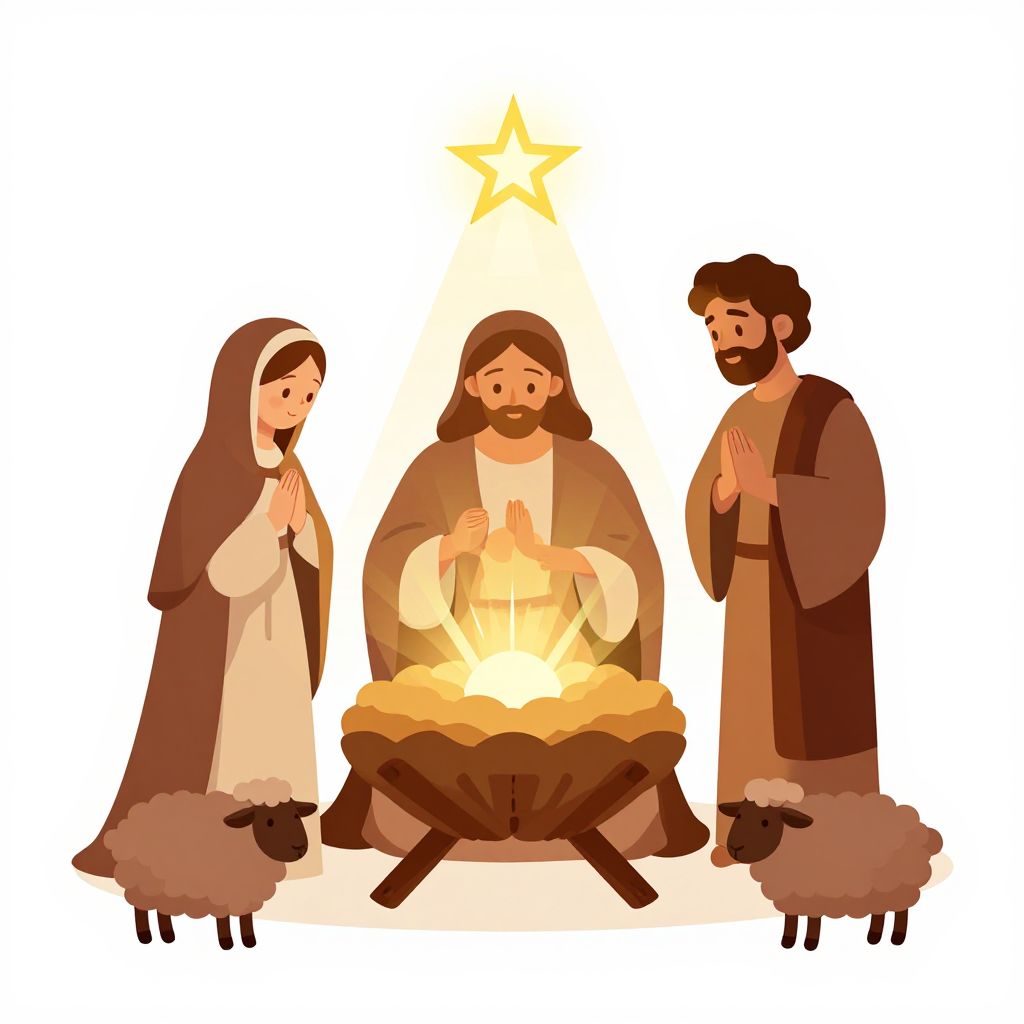
Do you wonder where to find the story of Jesus’ birth in the Bible? Many seek to understand how this pivotal moment fits into the overall narrative of Scripture. Knowing the specific book not only brings clarity but also enriches spiritual insight into God’s plan for redemption.
The birth of Jesus Christ is found in the Gospels, primarily documented in the books of Matthew and Luke. This truth matters profoundly as it reveals God’s intentional unfolding of His plan through Jesus’ incarnation.
What Book Of The Bible Is Jesus Born?
The story of Jesus’ birth is found in the Gospel of Matthew (chapters 1 and 2) and the Gospel of Luke (chapters 1 and 2). Both accounts provide unique perspectives that contribute to a fuller understanding of His miraculous entrance into our world.
The Gospel of Matthew
Matthew opens with a genealogy that connects Jesus to Abraham and David (Matthew 1:1-17). This lineage establishes Jesus’ royal pedigree and fulfills the Old Testament prophecies about the Messiah. By presenting Jesus in this way, Matthew emphasizes His significance among the Jewish people.
In Matthew 1:18-25, one learns that Mary was found to be with child through the Holy Spirit. The angel reassures Joseph, saying, “Do not be afraid to take Mary home as your wife.” This divine revelation underscores God’s role in orchestrating the incarnation.
The Role of Prophecy in Matthew
Matthew weaves Old Testament prophecies throughout his account. For instance, he cites Isaiah 7:14, explaining that Jesus is the fulfillment of the prophecy about a virgin giving birth to Immanuel, meaning “God with us” (Matthew 1:23).
This connection enhances our understanding of who Jesus is and demonstrates God’s faithfulness to His promises. Reflecting on prophecy can lead to deeper faith: how often do we acknowledge the weight of God’s promises in our own lives?
The Visit of the Magi
One of the most beloved stories in Matthew’s account is the visit of the Magi (Matthew 2:1-12). These wise men follow a star to locate Jesus and bring gifts of gold, frankincense, and myrrh. Each gift symbolizes significant truths about Jesus: kingship, divinity, and sacrifice.
Their journey serves as a reminder that Christ’s birth brings hope to all nations. Have you ever considered how your life reflects the light of Christ to those around you?
Lessons from Matthew’s Account
- Jesus’ lineage demonstrates God’s faithfulness through generations.
- The fulfillment of prophecy invites deeper trust in God’s promises.
- The response of the Magi encourages us to seek Jesus wholeheartedly.
The Gospel of Luke
Luke’s account brings a different tone, rich in details about the event’s setting and introduces us to the angels’ role. He opens with a remarkable story of Zechariah and Elizabeth, establishing the miraculous nature of Jesus’ birth from the very beginning (Luke 1:5-25).
In Luke 1:26-38, the angel Gabriel appears to Mary, announcing the coming birth of Jesus. Mary’s humble acceptance of God’s call exemplifies true faith and obedience. Her response, “I am the Lord’s servant,” is a model for Christian living.
The Nativity Story in Luke
The actual birth narrative unfolds in Luke 2:1-7, describing how Mary gave birth to Jesus in a stable because there was no room in the inn. This seemingly humble setting reflects God’s heart for the lowly and marginalized.
In verses 8-14, angels announce His birth to shepherds, highlighting that the gospel is for everyone, even those society overlooked. This call to shine God’s light speaks to how we can share His love in our communities.
The Shepherds and Their Response
In Luke 2:15-20, the shepherds hurried to find Jesus and spread the word about His miraculous birth. Their zeal for sharing the good news encourages believers to boldly proclaim the gospel, no matter their status or background.
Reflect on your own excitement about Christ. How often do you share the good news of His birth and life with others?
Lessons from Luke’s Account
- Mary’s submission inspires us to embrace God’s purpose for our lives.
- The humble birth of Jesus showcases God’s love for the marginalized.
- The shepherds’ witness challenges us to spread the gospel far and near.
Comparing the Birth Narratives
Matthew and Luke provide complementary accounts of Jesus’ birth, each offering vital truths. Matthew emphasizes Jesus’ royal heritage and fulfillment of prophecy, while Luke highlights His humility and the universal message of hope.
These distinct themes enrich our understanding of who Jesus is and why He came. How can these lessons transform your view of Christ’s birth this season?
Theological Significance of Jesus’ Birth
Jesus’ birth represents the fulfillment of God’s promises and the beginning of His redemptive work through Christ. It reminds us that God entered our history to change our future.
In Galatians 4:4-5, Paul writes, “But when the set time had fully come, God sent his Son, born of a woman, born under the law, to redeem those under the law.” This passage points to the purpose behind Christ’s coming.
Reflecting God’s Character
The incarnation showcases the nature of God—He is not distant but intimately involved in our lives. Christ coming as a baby in the humble town of Bethlehem reflects God’s nature to embrace the least of these.
How does this aspect of God’s character encourage you to engage with those who are marginalized or in need around you?
Celebrating the Birth of Christ
As we celebrate Christmas, we can focus on the deeper significance behind the festivities. Amid the hustle of present-giving and holiday preparations, taking time to remember the meaning of Jesus’ birth can help maintain spiritual priorities.
Christ’s arrival means hope, peace, and joy for all who believe. How can you practice this recognition practically during the Christmas season?
Living Out the Truth of His Birth
Knowing where Jesus is born in the Bible leads to numerous applications in a believer’s life. Reflecting on His birth should evoke gratitude, worship, and a commitment to live out the gospel.
Here are some practical steps to embrace this truth:
- Read and meditate on the birth narratives in Matthew and Luke during Advent.
- Create opportunities to share the story of Jesus’ birth with others.
- Engage in acts of kindness, reflecting God’s grace and love.
- Pray for a heart that celebrates and shares the true meaning of Christmas.
Prayer as Response
Prayer anchors our reflection on Jesus’ birth. Consider praying a prayer of thanksgiving for His coming and asking God how you can embody His love to those around you.
Begin by thanking God for the gift of His Son and ask for His guidance to share this message with courage and grace.
Conclusion
In summary, the story of Jesus’ birth found in Matthew and Luke is rich in theological truth and practical application. Reflecting on these passages can deepen our understanding of God’s character, Christ’s mission, and our place in sharing the good news.
Take time this season to celebrate the miraculous gift of Jesus, focusing on what His coming means for you personally. Embrace the opportunity to share His love with others, remembering that each life carries potential for transformation through Him.
Want to explore more faith-based topics and articles? Check out Today’s Bible Blog for further insights into Scripture and living out your faith. You might also find inspiration in the power of Jesus’ name and how it impacts our lives today.
2 thoughts on “What Book of the Bible Is Jesus Born? (Clear Bible Answer)”