
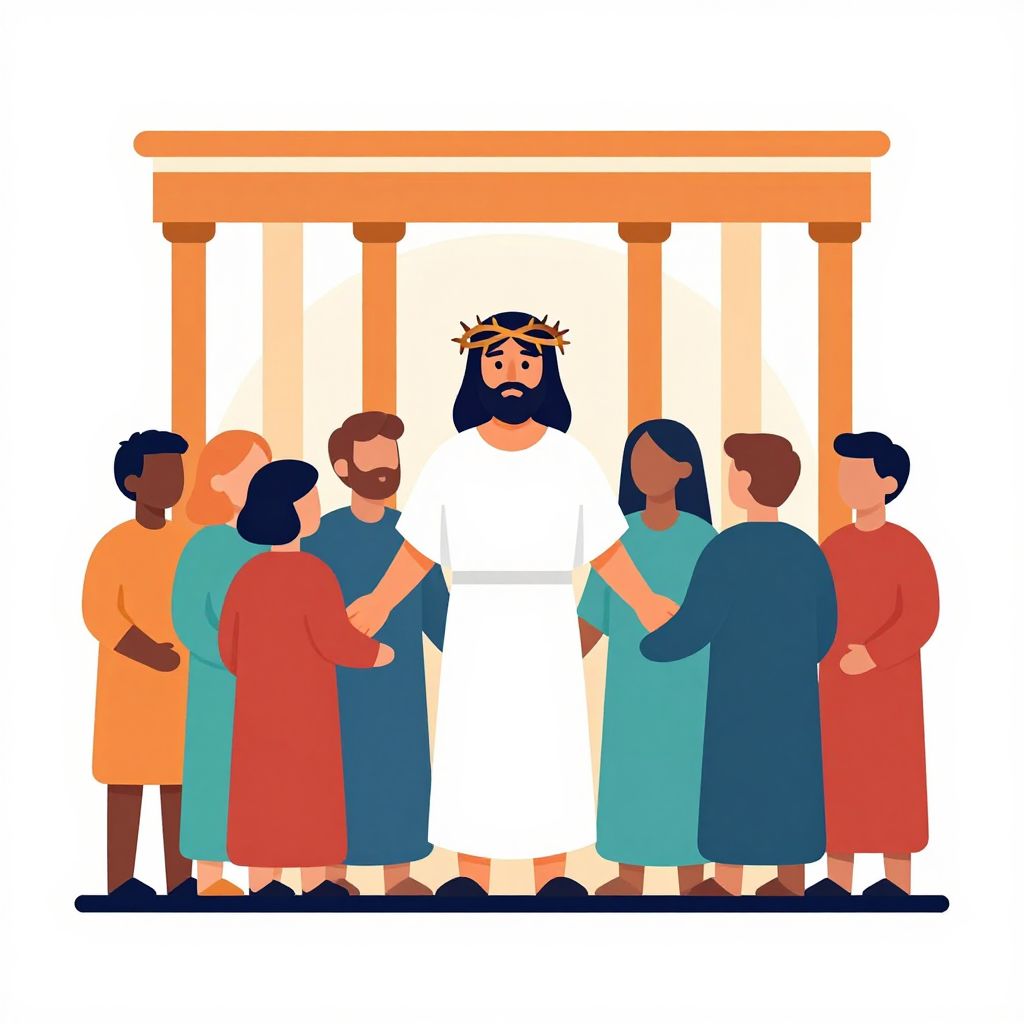
Have you ever grappled with the weight of injustice in a world that seems so broken? Questions of fairness, suffering, and sacrifice weave through our hearts as we navigate life. Surprisingly, the story of Jesus’ condemnation to death offers profound insight into these struggles and points us toward hope.
At the core of the Gospel lies the event of Jesus being condemned to death. This event is not merely a historical account; it reveals God’s profound love, the depth of human sin, and the promise of redemption. Understanding this moment reshapes our perspective on suffering and grace.
Jesus Is Condemned To Death?
Jesus faced condemnation to death as part of the prophecy foretold in Scripture, specifically John 19:16-18. This event is crucial because it illustrates the ultimate sacrifice Jesus made for humanity’s sin, showing that love often intersects with suffering.
Jesus’ Trial: The Set-Up
The condemnation of Jesus did not arise from a single moment but stemmed from a series of unjust trials. In Matthew 26:57-68, we find Jesus arrested in the garden and taken to the high priest. Here, He faced charges that were largely fabricated, highlighting the corrupt nature of the religious leaders.
Bearing false witness, the chief priests and elders sought to silence the truth. They presented unsubstantiated claims against Jesus, underlining the deep-seated fear of His influence and the threat He posed to their power. Have you encountered times when the truth about you is misrepresented? Remember Jesus in these moments.
Public Sentiment: From Acclamation to Condemnation
Just days before His trial, crowds hailed Jesus as He rode into Jerusalem. This infamous event, the Triumphal Entry, in Matthew 21:1-11, serves as a stark contrast to the cries of “Crucify Him!” just days later. Temporary excitement gives way to mob mentality. Have you felt the sway of public opinion affecting your own decisions?
This moment reveals humanity’s fickle nature. In a world that often praises the loudest voices, Jesus remained steadfast, aware that His mission was not to peruse popularity but to fulfill God’s redemptive plan. This fact calls us to examine where we place our confidence and whom we choose to follow.
Barabbas: The Choice of Release
The choice between Barabbas and Jesus, outlined in Matthew 27:15-26, epitomizes the human inclination toward the familiar and the tangible. Barabbas represented rebellion and violence, yet the crowd chose him over the Prince of Peace. This choice echoes in our own lives — do we sometimes choose worldly comforts over godly truths?
Barabbas walked free while Jesus faced condemnation, reflecting God’s master plan. In this moment, the innocent took the place of the guilty, illustrating the profound implications of sacrifice and grace. Ask yourself: What are we willing to let go of in order to embrace Christ’s righteousness?
The Role of Pilate: The Weight of Decision
In John 19:1-16, Pontius Pilate finds himself in a precarious position. He recognizes Jesus’ innocence but ultimately fears the wrath of the people and the Roman authority he represents. Pilate illustrates the struggle of moral conviction against political pressure. Have you ever felt torn between doing what is right and what is expected?
Despite his reservations, Pilate capitulated, washing his hands symbolically to absolve himself of responsibility. His actions demonstrate that inaction in the face of injustice can contribute to profound outcomes. Reflect: In what ways can we stand firm in our convictions, even at a personal cost?
The Crucifixion: The Climax of Sacrifice
Jesus’ ultimate condemnation led to a brutal crucifixion, exemplified in Luke 23:32-34. As He hung on the cross, He bore the weight of every sin humanity has ever committed. In His final moments, Jesus prayed for those who mocked Him. This radical display of love challenges our human tendency to seek retribution. Can we mirror this unconditional love in our own lives?
Crucifixion was one of the most shameful and painful forms of execution. Yet Jesus chose to endure it, fulfilling Isaiah 53:5, which speaks of the Suffering Servant. His decision to accept this fate transforms our understanding of suffering — pain and loss can become gateways to redemption and new life.
Theological Significance: Atonement and Redemption
The trial and crucifixion of Jesus lay foundational stones for Christian doctrine. Through His sacrifice, Jesus enacted atonement, a term that refers to the reconciliation between God and humanity. Romans 5:8 asserts that “God demonstrates his own love for us in this: While we were still sinners, Christ died for us.” Understanding this truth reshapes our perception of God’s grace — it’s not conditional based on our performances.
This reality invites believers to live in response to the incredible love shown on the cross. What would it look like to embrace grace in your relationship with God and others? Consider how knowing you are forgiven shapes how you forgive those around you.
Embracing God’s Love Through Suffering
Jesus’ condemnation helps us understand the nature of suffering. In 2 Corinthians 1:5, Paul writes, “For just as we share abundantly in the sufferings of Christ, so also our comfort abounds through Christ.” A relationship with Jesus does not eliminate pain but offers profound comfort within it.
As believers, suffering takes on a new perspective in light of Jesus’ example. We can walk through our trials knowing we are not alone and that God is at work. Are there burdens you can bring to Him today? How can you shift your focus from your struggles to the promise of His presence?
Hope Beyond Condemnation
Jesus’ condemnation leads to an astonishing reality — the resurrection. This event, celebrated throughout the Christian faith, signifies victory over sin and death. John 3:16 assures us that “For God so loved the world that he gave his one and only Son, that whoever believes in him shall not perish but have eternal life.” Jesus’ sacrifice opens the door to a restored relationship with God.
His resurrection signifies that even condemnation does not have the final word. We can trust in the promise that hope arises from the ashes of despair. Do you carry burdens that make you question God’s plans? Understand that aligning your heart with His will transforms trials into testimonies.
Cultivating a Life of Faith
The journey of faith requires reflection on Jesus’ condemnation and how it interacts with our daily lives. Hebrews 12:1-2 encourages us to “run with perseverance the race marked out for us, fixing our eyes on Jesus.” Keeping our focus on Him gives clarity and strength amid trials.
How can you actively partner with God in your daily walk? Consider implementing practical steps such as prayer, Scripture reading, and community fellowship. Cultivate a genuine relationship with Jesus as your anchor through the storm.
- Seek clarity in prayer. Ask God for guidance on how to navigate difficult situations.
- Engage consistently in Scripture. Let the Word of God remind you of His character and promises.
- Join a community group. Surround yourself with believers who will support and uplift you.
- Practice gratitude. Reflect on God’s blessings even amid trials.
- Serve others. Spreading love and compassion reflects the heart of Jesus.
Suffering and Community: The Body of Christ
The chance to share in one another’s burdens showcases the power of community. Galatians 6:2 reminds us to “Bear one another’s burdens, and so fulfill the law of Christ.” We are not meant to walk this journey of faith alone; we are called to support each other as Jesus supported the world.
When we understand Jesus’ condemnation, we deepen our empathy for others who suffer. Our ability to walk alongside others in their pain brings God’s love into the open. Who in your life could benefit from your presence? How can you practically support them today?
Final Reflections: A Call to Action
As you contemplate the death of Jesus, consider the power in His condemnation. He faced it not for His own sin but for yours and mine. The cross signifies more than judgment; it reveals grace. Embrace this as you move forward in faith.
Engage in prayer, inviting God to reveal new truths in your life. Take tangible steps toward deeper faith and fellowship. Remember, every moment connects us to His incredible love, and every challenge transforms into an opportunity for growth.
As we reflect on Jesus’ journey, let us carry the lessons of His sacrifice into our own lives, sharing His hope and love with others. The Good News doesn’t stop with condemnation; it leads us to grace and redemption.
For deeper insights into Jesus’ sacrifice and what it means for you personally, explore topics such as what Jesus died for and why Jesus died on the cross.