
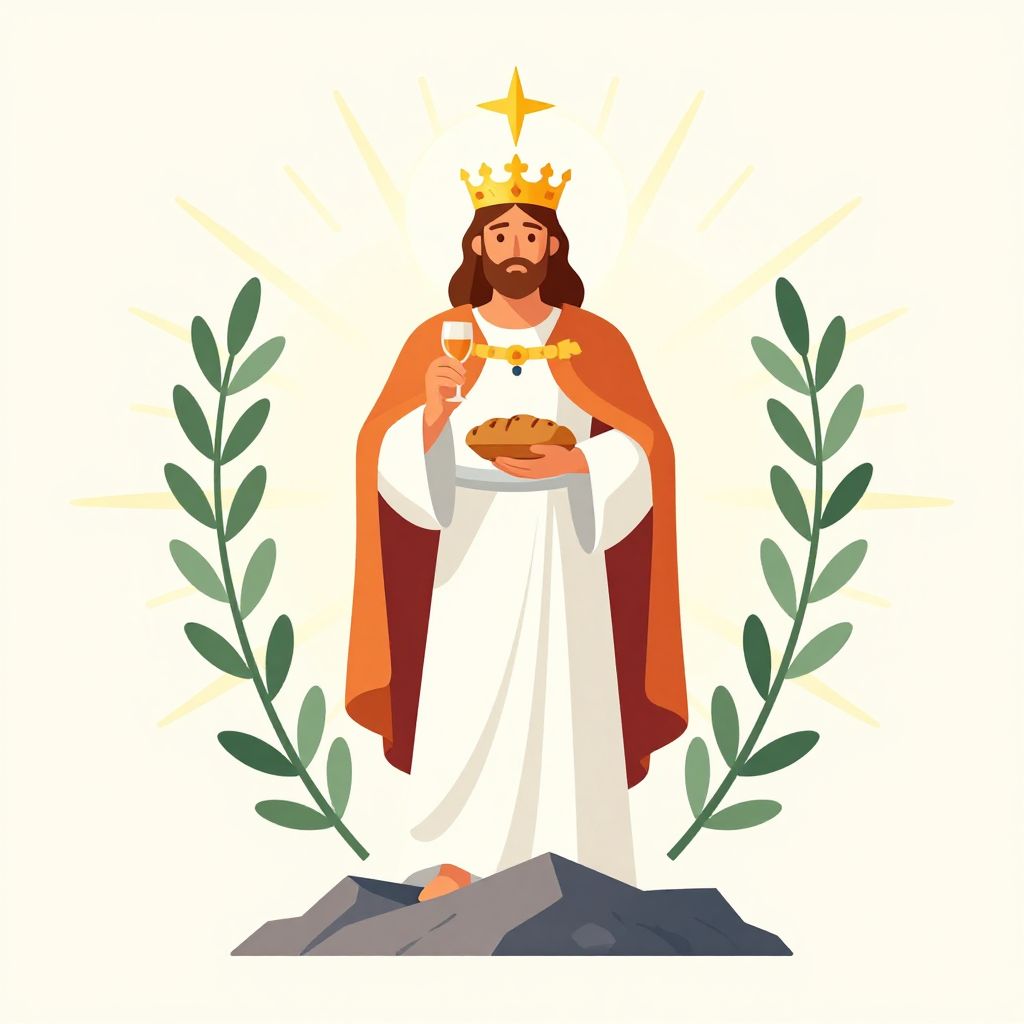
Have you ever wondered about the mysterious figure of Melchizedek and his significance in the Bible? This enigmatic character appears briefly in Genesis and later in Psalms and Hebrews, raising questions about his identity and role in God’s plan. Exploring whether Melchizedek is Jesus presents both an intriguing theological study and vital implications for understanding Christ’s priesthood.
This article will investigate the connection between Melchizedek and Jesus Christ, drawing on Scripture to provide clarity on this relationship. Understanding this link matters because it deepens our appreciation for Jesus as our High Priest and affirms the unique role He plays in our salvation.
Is Melchizedek Jesus?
Melchizedek is not Jesus, but he is a type of Christ, representing the qualities and functions found in Jesus’ priestly role. The similarities invite us to consider how God uses Melchizedek to point toward Jesus’ eternal priesthood.
Who is Melchizedek?
Melchizedek first appears in Genesis 14:18-20, where he is described as the king of Salem and a priest of God Most High. He blesses Abram and receives a tithe from him, showcasing both his royal and priestly authority. This duality of being both king and priest is rare in the Bible, thereby establishing Melchizedek as a remarkable figure.
His name means “king of righteousness,” and Salem can be interpreted as “peace.” Hence, he embodies righteousness and peace, attributes that both Jesus and Melchizedek share. In essence, Melchizedek’s identity symbolizes what every child of God desires—a king who reigns justly and a priest who mediates peace.
Melchizedek in the Old Testament
The account of Melchizedek in Genesis is brief, yet it carries significant weight. It occurs after Abram’s victory over several kings, emphasizing Melchizedek’s role as a mediator. He blesses Abram, which signifies God’s favor and promises. This scenario highlights the priestly function of mediating between God and humanity, a function that foreshadows Jesus’ ultimate mediatory role.
In Psalm 110:4, the Scriptures say, “The LORD has sworn and will not change his mind: ‘You are a priest forever, in the order of Melchizedek.’” This verse connects the messianic prophecy directly to Melchizedek, affirming his importance in understanding Christ’s eternal priesthood. It illustrates God’s established order for priesthood, a theme continuously reinforced throughout Scripture.
The Significance of Melchizedek in Jewish Culture
Melchizedek holds a notable place in Jewish tradition. His character embodies an ideal priest—one who serves and leads without the limitations typically associated with lineage. Most priests in Israel came from the tribe of Levi. In contrast, Melchizedek’s priesthood is established by divine ordination rather than family affiliation.
This uniqueness invites reflection on what it means to be chosen by God. Are you resting in the knowledge that, regardless of your worldly background, you can approach God because of Jesus? This truth encourages believers to embrace their identity as part of a holy priesthood.
The Connection between Melchizedek and Jesus
Understanding Melchizedek enriches our understanding of Jesus’ identity and mission. The Book of Hebrews elaborates on this relationship, particularly in chapters 5 through 7. The author explains that Jesus is our High Priest according to the order of Melchizedek, highlighting the lasting nature of His priesthood.
Hebrews 7: A Deeper Look at the Comparison
Hebrews 7:1-3 provides insight into Melchizedek, stating he has no recorded genealogy, no birth, or death. This description serves as a metaphor for Jesus, who is eternal and unchangeable. The comparison emphasizes that Jesus’ priesthood is superior to that of Levitical priests, rooted in His eternal nature and divine appointment.
Hebrews 7:24-25 reinforces this by stating that Jesus holds His priesthood permanently, interceding for us before the Father. Melchizedek’s priestly role foreshadows this eternal intercession, underscoring the importance of trusting in Christ’s continual mediation.
The Unique Priesthood of Jesus
Jesus’ priesthood stands out in its uniqueness because it does not rely on a lineage. Instead, it stems from His divine nature and perfect sacrifice. The Levitical system involved multiple sacrifices and continual offerings due to human sinfulness. Jesus, however, offers Himself as the ultimate sacrifice, forever satisfying God’s justice.
1 Peter 2:9 calls believers a “royal priesthood,” linking them to this greater priesthood established by Christ. By accepting Jesus, you are welcomed into this royal priesthood and called to mediate God’s love and truth to others. How does this identity affect your life as a follower of Christ?
The Forever Priest
Hebrews 7:26-28 describes Jesus as a high priest who is “holy, blameless, pure, set apart from sinners, exalted above the heavens.” This depiction reinforces the essential qualities of both Melchizedek and Christ. Jesus sets a standard that transcends human capability because, as God incarnate, He fulfills all righteousness.
This contrast between Melchizedek and the Levitical priesthood unveils God’s blueprint of grace. Jesus’ role as our high priest offers peace that surpasses all understanding, a divine assurance that opens our hearts to receive Him fully. Have you embraced the peace that comes from trusting Jesus as your high priest?
Lessons from Melchizedek’s Role
Melchizedek’s life provides valuable lessons for Christians striving to deepen their relationship with God. He represents a faithful servant willing to fulfill God’s purposes, emphasizing several significant practices in our walk of faith.
The Importance of Service
Melchizedek served both God and Abram, embodying a life dedicated to service. His actions reflect a heart aligned with God’s will. Service is foundational in the Christian walk. Jesus emphasized this throughout His ministry, teaching that greatness in God’s kingdom comes through serving others.
Consider how you can serve those around you, whether through acts of kindness, volunteering, or simply listening. Investing in others glorifies God and enhances your spiritual growth. How can you cultivate a heart of service today?
The Role of Generosity
Melchizedek received a tithe from Abram, symbolizing the practice of giving back to God what rightfully belongs to Him. Generosity reflects a heart aware of God’s provision and a willingness to support Kingdom work. Throughout Scripture, giving is a sign of devotion and trust in God.
As you embrace the principle of tithing, consider how God calls you to give—not just financially but in time, love, and talents. Generous living reflects God’s heart. Do you see yourself as blessed to be a blessing?
Symbol of Peace and Righteousness
Melchizedek’s name means “king of righteousness,” and he ruled over Salem, which means “peace.” His very existence points to the character of Christ as the source of peace and righteousness. In a world filled with discord, believers can find solace in Christ’s message of peace.
Reflect on how Christ—our king of righteousness—brings peace into your life. When conflict arises, do you turn to Christ for guidance? Embracing Jesus as the ultimate source of peace helps navigate turbulent waters.
Christ’s Eternal Priesthood and Its Implications
Understanding the eternal priesthood of Jesus shifts your perspective on life’s challenges. As our High Priest, He intercedes for us, offering grace, mercy, and support. This relationship fulfills our deepest spiritual needs.
Access to God
Jesus’ priesthood grants us direct access to God. Hebrews 4:16 calls us to approach the throne of grace with confidence. No longer do we need a human mediator to access God’s presence; we can enter boldly through Jesus.
Each time we pray, we engage with the Father because of Christ’s work. This privilege is profound. Reflect on the times you’ve hesitated to approach God. How reassuring it is to know that Jesus stands ready to welcome you. Take full advantage of your access to God!
Intercession on Our Behalf
Jesus intercedes for us continually, as mentioned in Romans 8:34. Knowing that Christ advocates for us can bring immense comfort when struggles arise. Are there specific issues in your life where you need this assurance? Jesus petitions the Father on your behalf, continually reminding you of His love and grace.
Hope in Salvation
The eternal nature of Christ’s priesthood assures believers of salvation. Hebrews 7:25 emphasizes that He saves completely those who come to God through Him. Jesus did not merely secure a temporary fix for sin; His sacrifice and ongoing intercession offer everlasting salvation.
This assurance of salvation should lead you to a place of worship and gratitude. Trusting Jesus means resting in His finished work on the cross. What does it look like to live out of that assurance day by day?
Final Reflections on Melchizedek and Jesus
While Melchizedek is not Jesus, he plays an essential role in understanding the nature of Christ’s priesthood. The connection between them enriches your faith by highlighting God’s redemptive plan throughout history. Believers can draw hope, strength, and assurance from understanding Jesus as their High Priest in the order of Melchizedek.
As you reflect on Melchizedek’s purpose, consider your role in God’s story. You’re called to participate in His work through service, generosity, and peace. By embracing your identity in Christ, you join a lineage of faithful individuals who submit to God’s plan.
Revisit the promise extended to us through Jesus. Allow the reality of Christ’s priesthood to sink deep into your heart. How might it shift how you view your relationship with God and navigate everyday life? Engage with this truth, letting it transform you from within.
As you continue to explore biblical themes, consider delving deeper into the identity of Jesus. Read more about who Jesus is and the role of prophetic figures like John the Baptist. Both illuminate the beauty and intricacies of God’s divine narrative.
1 thought on “Is Melchizedek Jesus? (Bible Answer Explained)”