
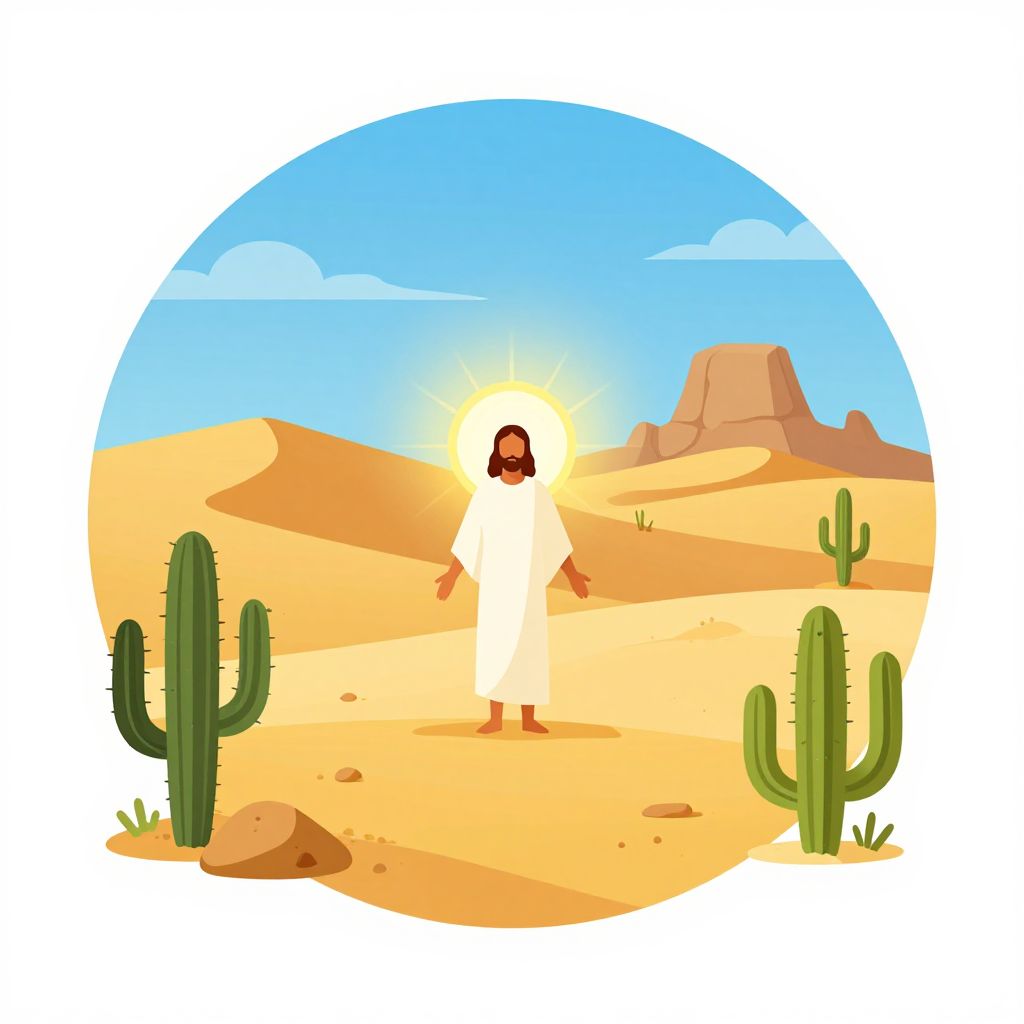
The experience of Jesus in the desert resonates deeply with many believers seeking spiritual clarity. It raises questions about temptation, preparation, and the character of God. How long was Jesus in the desert? The answer is pivotal, as it reveals how Jesus confronted challenges and emerged victorious, ultimately teaching us about reliance on God’s word and strength.
Jesus spent forty days in the desert, a period of intense fasting and spiritual confrontation. This timeframe isn’t arbitrary; it has profound meaning throughout Scripture and invites us to reflect on our own challenges and reliance upon God.
How Long Was Jesus In The Desert?
Jesus was in the desert for forty days. This period represents a time of preparation and testing before He began His public ministry, emphasizing the importance of going through trials to understand our dependence on God.
The Significance of Forty Days in Scripture
Forty days is a significant number in the Bible, often associated with trial and preparation. Consider these examples:
- Moses spent forty days on Mount Sinai before receiving the Ten Commandments (Exodus 24:18).
- Elijah traveled forty days to Mount Horeb, where he encountered the Lord (1 Kings 19:8).
- Noah experienced forty days of rain before the flood receded (Genesis 7:17).
These biblical accounts highlight that forty days often signifies a period of deep spiritual preparation and transformation. Just as those before Him prepared for significant missions, so did Jesus in the desert.
The Purpose of Jesus’ Time in the Desert
Jesus’ time in the desert served multiple purposes:
- **Preparation**: Jesus was readying Himself for His public ministry.
- **Testing**: He faced temptation directly, as recorded in Matthew 4:1-11.
- **Demonstration of Dependence**: Through fasting, He exemplified reliance on God’s provision.
In facing temptation, Jesus offers a blueprint for believers navigating their own struggles. Each temptation directly challenged His identity and mission, and His responses drew upon Scripture, anchoring His actions in God’s truth.
Understanding Temptation in the Desert
During these forty days, Jesus confronted three significant temptations from the devil.
- **Turning Stones to Bread**: The first temptation revolved around physical needs (Matthew 4:3). Jesus responded, “Man does not live on bread alone, but on every word that comes from the mouth of God” (Matthew 4:4, NIV). This teaches us that spiritual sustenance is crucial for life.
- **Testing God’s Protection**: The second temptation invited Jesus to throw Himself off the temple, challenging His trust in God (Matthew 4:5-7). He answered, “Do not put the Lord your God to the test” (Matthew 4:7, NIV). This response illustrates that faith involves trust without presumption.
- **Offering Kingdoms**: The final temptation offered worldly power and wealth (Matthew 4:8-10). Jesus firmly replied, “Worship the Lord your God, and serve him only” (Matthew 4:10, NIV). Here, He affirms the importance of prioritizing spiritual over material gains.
These encounters not only demonstrate Jesus’ resilience but also serve as reminders for believers today. Have you ever faced similar temptations in your life? How might Scripture provide guidance during those moments of struggle?
The Fullness of Fasting and Spiritual Retreat
Fasting is a significant aspect of Jesus’ experience in the desert. He modeled how to engage with God through fasting.
- **Spiritual Clarity**: Fasting allows a believer to focus on spiritual matters, providing clearer guidance from the Holy Spirit.
- **Discipline**: Jesus shows the importance of self-discipline, essential for spiritual growth.
- **A Deeper Relationship with God**: Fasting often leads to richer prayer and deeper communion with God.
Fasting doesn’t only signify abstaining from food. It may also involve setting aside other distractions to align your heart and mind with God. Are there areas in your life that you need to fast from in order to draw closer to Him?
Where Was Jesus in the Desert?
Jesus retreated to a wilderness area, often identified with the Judean Wilderness. This rugged terrain offered isolation, creating a setting conducive for spiritual confrontation. It symbolized abandonment to God, away from the distractions of life.
The wilderness serves as a powerful symbol throughout Scripture:
- The Israelites wandered in the desert for forty years, a time of testing and purification (Deuteronomy 8:2).
- David often fled to the wilderness for refuge and personal encounters with God during his trials (1 Samuel 22:1).
- Elijah’s journey into the wilderness led to a profound encounter with God, highlighting His faithfulness in desolation (1 Kings 19:4).
Each of these examples emphasizes that the wilderness is where God often tests, cleanses, and reveals His sovereignty. What can you learn from the wilderness experiences recorded in Scripture? How can they challenge or inspire you?
Emulating Jesus’ Example
In navigating their own spiritual deserts, Christians have the opportunity to reflect on how they respond to temptation, trial, and solitude. Jesus’ steadfastness provides a template to follow.
- **Pray Regularly**: Seek God’s strength through prayer, especially during challenging times.
- **Know Scripture**: Familiarize yourself with God’s Word, allowing it to inform your decisions and provide comfort.
- **Practice Fasting**: Engage in spiritual disciplines like fasting to enhance your relationship with God.
- **Seek Solitude**: Just as Jesus withdrew for solitude, create space in your life for contemplation and prayer.
Each step brings believers closer to Christ’s heart and equips them to navigate life’s trials with confidence. Have you tried one of these practices? What changes have you noticed?
The Impact of Jesus’ Time in the Desert
Ultimately, Jesus’ forty days in the desert prepared Him for the challenges ahead when He began His ministry. This time allowed Him to understand human struggle and temptation fully.
Empathy for Humanity
Having faced temptation, Jesus empathizes with human struggles. Hebrews 4:15 reminds us that “we do not have a high priest who is unable to empathize with our weaknesses” (NIV). His desert experience prepared Him to minister compassionately, understanding the itinerant nature of faith and the frailty of humanity with grace.
Empowered for Ministry
After overcoming temptation, Jesus emerged from the desert empowered and ready to fulfill His calling. His victory offers profound assurance and breaks the cycle of sin and despair for humanity. Burdened by temptation, individuals can find refuge in Christ’s strength. How might Jesus’ triumph encourage you in your moments of struggle and doubt?
Living in Light of Jesus’ Example
Believers today learn from Jesus’ response to both temptation and reliance on God. This foundation empowers Christians to engage with their own struggles, seeking God’s provision along the way.
Embracing Trials with Faith
Life will bring challenges and trials, mirroring some aspects of Jesus’ desert experience. Approaching them with faith transforms challenges into opportunities for spiritual growth. It aligns our will with God’s and sharpens our dependence on Him.
Community and Accountability
Walking with fellow believers can provide encouragement and accountability during individual deserts. Relationships allow sharing of struggles and fostering of mutual strength. Are there trusted individuals who can help walk alongside you in faith? Consider starting conversations that reinforce spiritual bonds.
Conclusion
Jesus spent forty days in the desert, embodying the essence of preparation and resilience in the face of temptation. His experiences remind believers of God’s faithfulness during times of testing and waiting. Embracing spiritual disciplines like prayer and fasting equips you to navigate your desert experiences with faith and trust in God’s provisions.
Take time to reflect and pray this week. Seek strength and guidance in your journey, embracing the lessons of Jesus’ time in the desert. How can you apply His example today?
Exploring faith-based topics can bring more clarity and strength into your spiritual life. Delve into deeper truths by reading articles such as Why Did Jesus Spend 40 Days In The Desert or Bible Verses to Read When Fasting. Each article offers insights that can enrich your understanding and enhance your relationship with God.